

Introduction
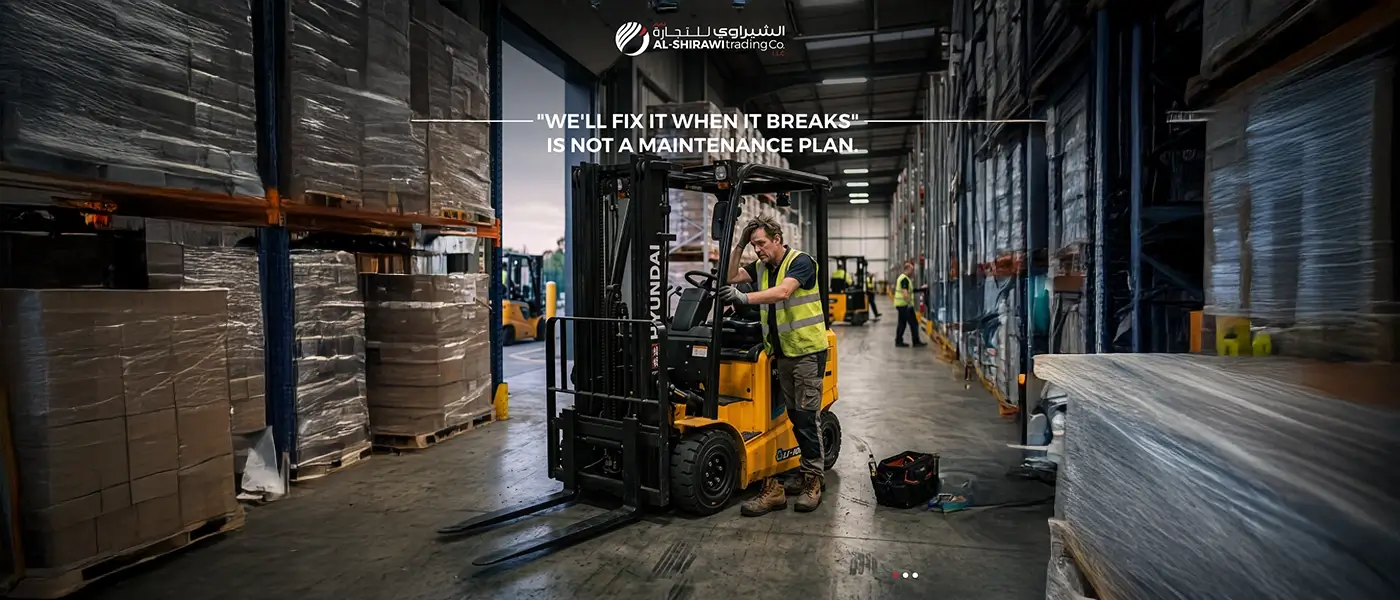
Unexpected equipment failures rarely happen at a convenient time. Whether it’s a forklift breaking down in the middle of a busy warehouse, or road construction equipment sitting idle on site, unplanned downtime disrupts productivity, increases operating costs and can damage customer relationships.
This is where planned maintenance makes a measurable difference. Instead of waiting for equipment to fail, businesses can follow a structured maintenance schedule that keeps machinery operating efficiently, reduces the risk of costly repairs and extends the lifespan of valuable assets.
For organisations that rely on industrial, construction, or material handling, planned maintenance is more than a servicing schedule. It is a long-term strategy supported by expert after sales support, certified technicians, genuine spare parts and tailored maintenance contracts that protect equipment throughout its working life.
In this guide, we’ll explain what planned maintenance involves, why it delivers significant cost savings, how it compares with reactive repairs and why working with an authorised dealer like Al Shirawi Trading provides ongoing value long after the initial purchase.
What Is Planned Maintenance?
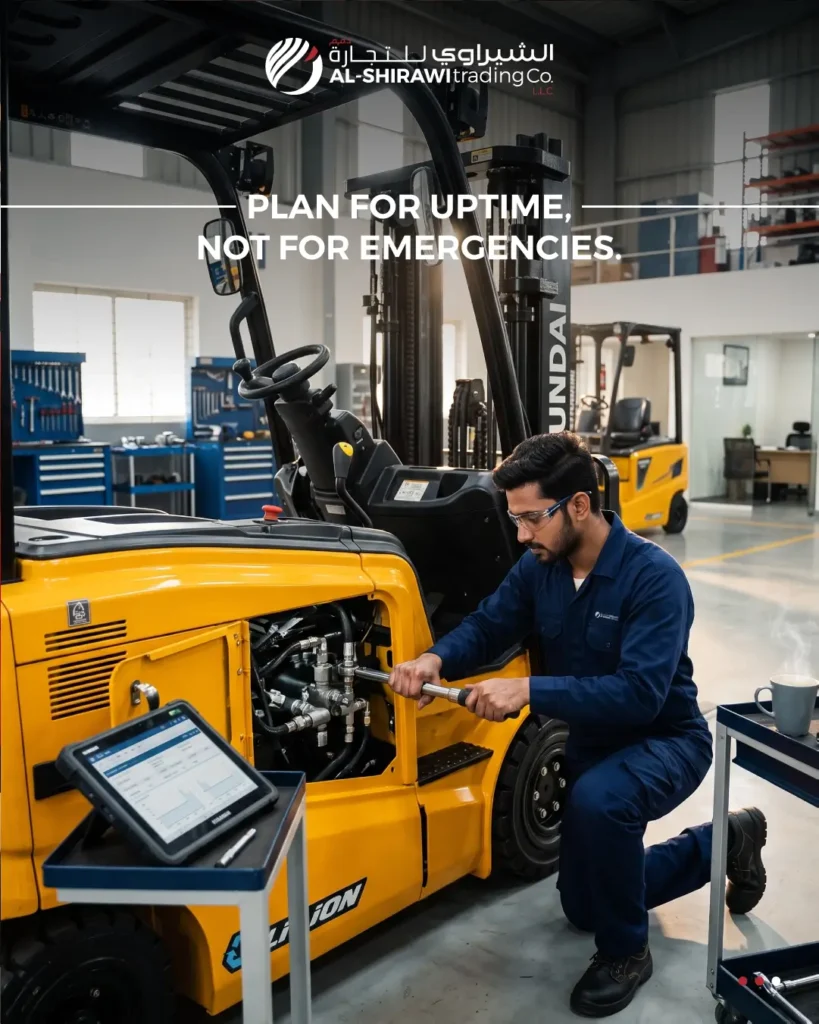
Planned maintenance is the scheduled inspection, servicing and replacement of components before equipment failures occur. Its purpose is to maximise reliability, improve safety and minimise unexpected downtime by addressing wear and tear before it becomes a major issue.
Unlike reactive maintenance, where repairs are only carried out after a breakdown, planned maintenance follows manufacturer recommendations and operating conditions to keep equipment performing at its best.
A planned maintenance programme typically includes:
- Routine inspections
- Lubrication and adjustments
- Replacement of worn components
- Safety checks
- Performance testing
- Software or control system updates where applicable
- Detailed service records
Rather than seeing maintenance as an expense, successful businesses view it as an investment in operational continuity.
Why It Matters
Industrial equipment represents a significant capital investment. Every additional hour of productive operation increases the return on that investment.
Routine servicing helps businesses:
- Reduce unexpected failures
- Improve equipment reliability
- Extend service life
- Maintain productivity
- Protect operator safety
- Improve resale value
When maintenance is scheduled in advance, servicing can often be completed during planned shutdowns instead of interrupting day-to-day operations.
Why Reactive Maintenance Costs More Than You Think
Waiting until equipment breaks down almost always costs more than preventing the failure in the first place. The visible repair bill is only one part of the overall cost.
Many organisations underestimate the financial impact of unplanned downtime because indirect costs are harder to measure.
The Hidden Costs of Equipment Failure
A single breakdown can result in:
- Lost production
- Delayed deliveries
- Missed project deadlines
- Emergency repair charges
- Overtime labour
- Equipment hire costs
- Safety risks
- Customer dissatisfaction
- Damage to related components
For example, replacing a worn bearing during a scheduled service may take less than an hour. Ignoring that early sign of wear could eventually lead to damage to the shaft, gearbox or motor, turning a simple maintenance task into a major repair.
The longer equipment operates with developing faults, the greater the likelihood of secondary damage that increases repair costs and downtime.
Planned Maintenance vs Reactive Maintenance
The difference between planned and reactive maintenance is simple: one prevents problems, while the other responds after problems have already occurred.
Although reactive maintenance may appear cheaper in the short term, it often leads to higher operating costs over the lifetime of the equipment.
Planned Maintenance | Reactive Maintenance |
Scheduled servicing | Repairs after failure |
Predictable maintenance costs | Unpredictable repair costs |
Less unplanned downtime | Frequent operational disruption |
Longer equipment lifespan | Accelerated component wear |
Improved safety | Increased risk of failures |
Better operational planning | Emergency callouts |
Higher equipment reliability | Greater likelihood of repeat breakdowns |
For businesses that depend on equipment availability, the financial benefits of planned maintenance quickly outweigh the cost of regular servicing.
Which Equipment Benefits Most from Planned Maintenance?
Any business that relies on specialist equipment can benefit from a proactive maintenance programme. At Al Shirawi Trading, this includes supporting customers operating:
- Hyundai XiteSolutions forklifts and material handling equipment.
- Dynapac road construction equipment, including rollers and pavers.
- Madvac compact sweepers used by municipalities, airports and facilities management companies.
- PilotCar electric utility vehicles for industrial sites, hospitality, healthcare and large campuses.
- Piquersa road sweepers and environmental cleaning equipment.
- Taylor heavy-duty forklifts and container handling equipment for ports, logistics and industrial operations.
Each machine operates in different environments and under varying workloads, making manufacturer-recommended planned maintenance essential for maintaining productivity and reducing unexpected downtime.
The Benefits of Maintenance Contracts
A maintenance contract provides structured servicing, predictable costs and priority support, helping businesses avoid unexpected breakdowns and budget more effectively.
Instead of arranging individual service visits whenever problems arise, businesses benefit from a proactive maintenance schedule designed around equipment usage and manufacturer recommendations.
Key Advantages of Maintenance Contracts
Predictable Maintenance Costs
Unexpected repairs can significantly impact operating budgets.
Maintenance contracts spread servicing costs over an agreed period, making financial planning much easier.
Reduced Downtime
Scheduled servicing identifies potential issues before they become major failures.
This allows maintenance to be completed during planned operational downtime rather than during critical production periods.
Improved Equipment Reliability
Regular inspections allow technicians to monitor component wear and replace parts before failures occur.
The result is equipment that performs consistently throughout the year.
Priority Service Support
Many authorised dealers offer priority response for customers with maintenance agreements, helping reduce downtime when urgent assistance is required.
Increased Asset Life
Consistent servicing reduces unnecessary wear, helping equipment remain productive for longer and delaying costly replacement investments.
Choosing the Right Maintenance Contract
Not every business operates equipment in the same way. An effective maintenance programme should consider:
- Equipment type
- Hours of operation
- Environmental conditions
- Manufacturer recommendations
- Criticality of the equipment
- Production schedules
Working with an experienced authorised dealer ensures the maintenance schedule reflects real operating conditions rather than applying a one-size-fits-all approach.
Why After Sales Support Matters Beyond the Initial Purchase
The relationship with your equipment supplier should continue long after delivery. Strong after sales support helps maximise equipment performance, reduce lifecycle costs and provide expert assistance whenever it’s needed.
Purchasing industrial equipment is only the beginning of its operational life. Over the years, machinery will require servicing, inspections, replacement components and technical expertise to maintain peak performance.
Businesses that choose an authorised dealer gain access to experienced support teams who understand the equipment inside and out. Rather than relying on reactive repairs from multiple service providers, they benefit from consistent maintenance standards, accurate diagnostics and ongoing technical guidance.
Effective after sales support typically includes:
- Planned maintenance scheduling
- Preventive inspections
- Technical advice
- Warranty support
- Access to genuine spare parts
- Repairs carried out by certified technicians
- Equipment health assessments
- Service history records to support future maintenance planning
This long-term partnership helps businesses protect their investment while reducing the risk of avoidable downtime and unexpected repair costs.
For organisations where equipment reliability directly affects productivity, choosing an authorised dealer provides confidence that support will be available throughout the equipment’s lifecycle, not just at the point of sale.
Why Genuine Spare Parts and Certified Technicians Make the Difference
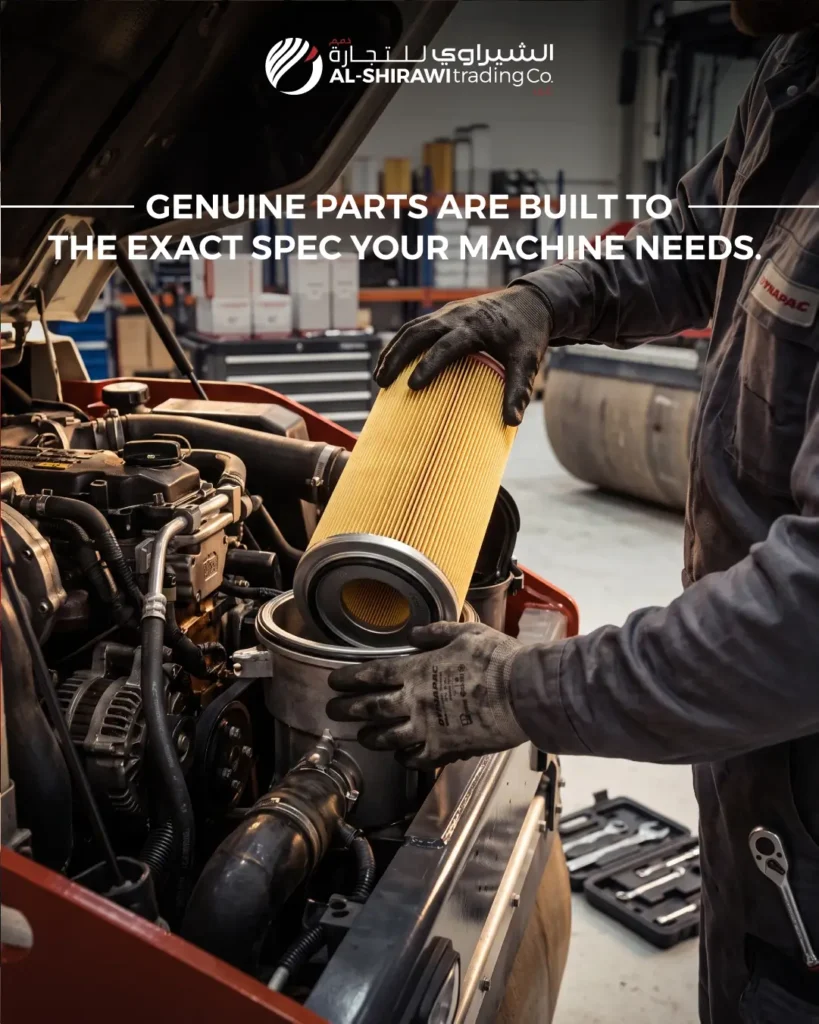
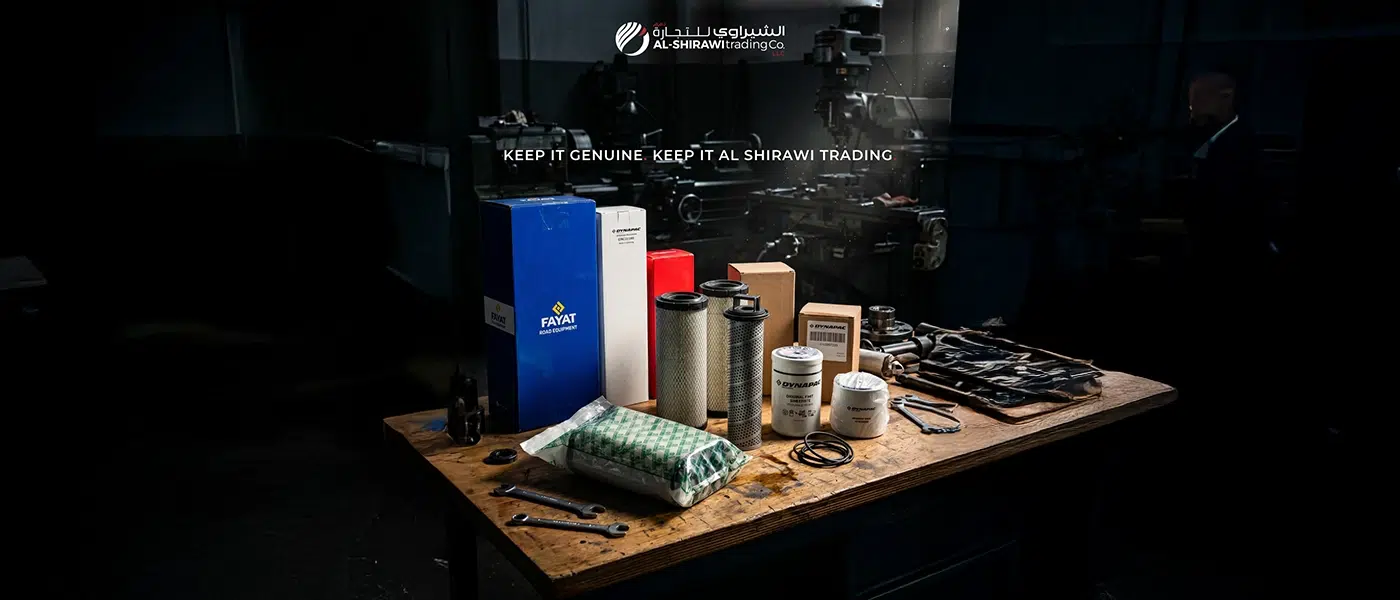
Using genuine spare parts fitted by certified technicians helps maintain equipment reliability, safety and manufacturer performance standards. While aftermarket parts may appear to reduce costs initially, they can increase the risk of premature wear, reduced efficiency and avoidable downtime.
Industrial equipment is designed with components that work together to specific engineering tolerances. Replacing worn parts with non-genuine alternatives can affect performance, compromise safety and even void manufacturer warranties.
The Value of Genuine Spare Parts
Choosing genuine spare parts provides several long-term advantages:
- Manufactured to original equipment specifications
- Consistent quality and performance
- Better compatibility with existing components
- Improved equipment reliability
- Longer service life
- Protection of manufacturer warranty where applicable
Although non-genuine parts can sometimes seem like a cost-saving option, repeated failures or poor fitment often lead to additional labour costs and further equipment damage.
Why Certified Technicians Matter
Even the highest quality components need to be installed correctly.
Certified technicians receive manufacturer-approved training and understand the correct servicing procedures, diagnostic methods and maintenance requirements for the equipment they support.
Their expertise helps ensure:
- Accurate fault diagnosis
- Correct installation of replacement parts
- Compliance with manufacturer service procedures
- Faster repairs
- Improved equipment performance
- Safer operation
Working with trained professionals reduces the likelihood of recurring faults and gives businesses confidence that repairs are completed to the highest standard.
Best Practices for Building an Effective Planned Maintenance Strategy
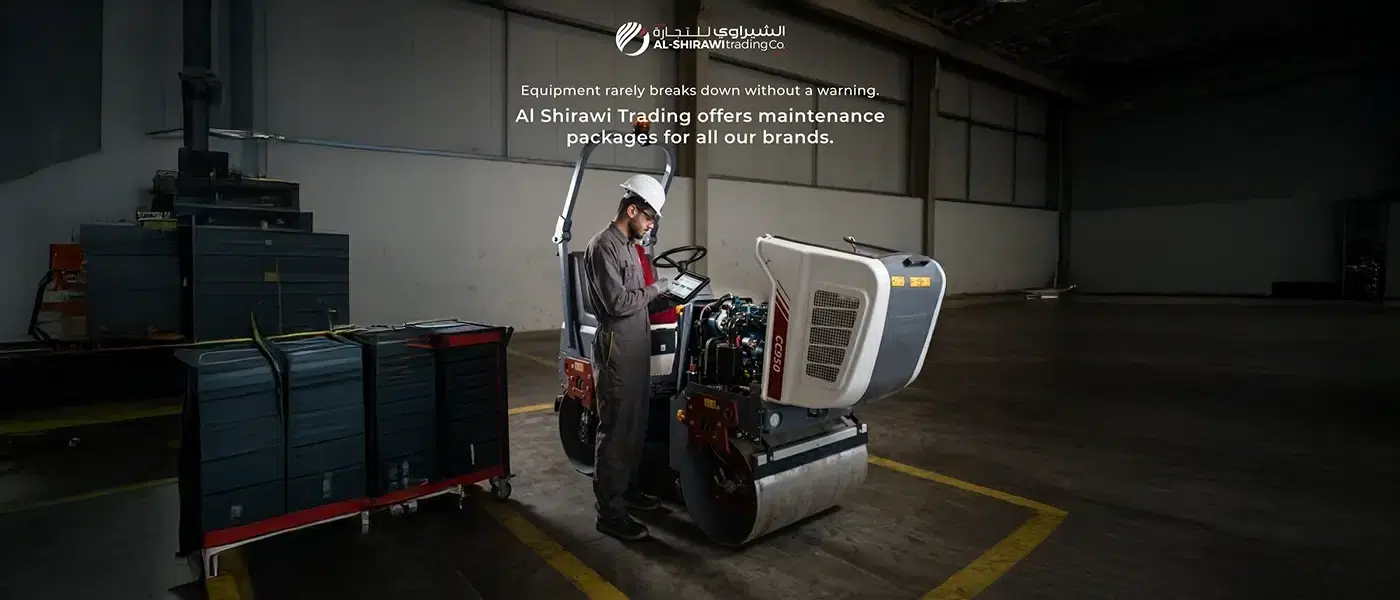
A successful planned maintenance programme is built around consistency, accurate records and proactive decision-making. The goal is not simply to service equipment regularly, but to maintain reliability while minimising disruption to operations.
Every organisation has different operational demands, but the following best practices apply across most industries.
Follow Manufacturer Service Intervals
Manufacturers establish recommended maintenance schedules based on extensive product testing and operating data.
Following these intervals provides a strong foundation for maintaining equipment performance.
Adjust Maintenance to Operating Conditions
Equipment working in demanding environments often requires more frequent servicing.
Examples include:
- Dusty construction sites
- High-temperature environments
- Marine applications
- Heavy lifting operations
- Continuous shift work
Maintenance schedules should reflect actual operating conditions rather than relying solely on calendar dates.
Keep Accurate Service Records
Detailed maintenance records help businesses:
- Monitor recurring issues
- Track replacement parts
- Schedule future servicing
- Demonstrate maintenance history
- Improve asset management
Good documentation also supports resale value and simplifies long-term maintenance planning.
Inspect Equipment Between Scheduled Services
Operators are often the first to notice changes in equipment performance.
Simple daily inspections can identify issues before they develop into expensive repairs.
Look for:
- Fluid leaks
- Unusual noises
- Excessive vibration
- Warning lights
- Damaged hoses
- Loose fasteners
- Signs of abnormal wear
Promptly reporting these issues allows corrective action before they escalate.
Partner with an Authorised Dealer
One of the most effective ways to protect your equipment investment is by working with an authorised dealer that provides comprehensive after sales support.
At Al Shirawi Trading, our technicians understand the maintenance requirements of all the brands we supply including; Hyundai XiteSolutions, Dynpapac, Madvac, Pilotcar, Taylor and Piquersa. This manufacturer-backed knowledge enables us to recommend appropriate service intervals, identify potential issues early and carry out maintenance using approved procedures and genuine spare parts.
Customers also benefit from:
- Tailored maintenance schedules
- Manufacturer-approved servicing
- Access to genuine spare parts
- Technical expertise
- Warranty guidance
- Equipment inspections
- Long-term maintenance planning
Rather than responding only when equipment fails, an authorised dealer becomes a long-term partner focused on maximising uptime, improving reliability and helping customers achieve the greatest return on their equipment investment.
Common Maintenance Mistakes That Cost Businesses Money
Many equipment failures are preventable. Avoiding common maintenance mistakes can significantly reduce repair costs and improve operational reliability.
Some of the most common issues include:
Delaying Scheduled Servicing
Skipping routine maintenance to save time or money often results in larger repair bills later.
Using Non-Genuine Parts
Lower-quality components may wear more quickly, leading to repeat failures and unnecessary downtime.
Ignoring Early Warning Signs
Small issues such as unusual noises, vibration or minor leaks rarely resolve themselves. Addressing them early is almost always more cost-effective.
Choosing Repairs Over Prevention
Repeated emergency repairs usually cost more over the equipment’s lifetime than a structured maintenance programme.
Working with Unqualified Service Providers
Industrial equipment is becoming increasingly sophisticated. Choosing certified technicians helps ensure repairs are completed correctly and in accordance with manufacturer recommendations.
Expert Insight: Maintenance Is an Investment, Not an Expense
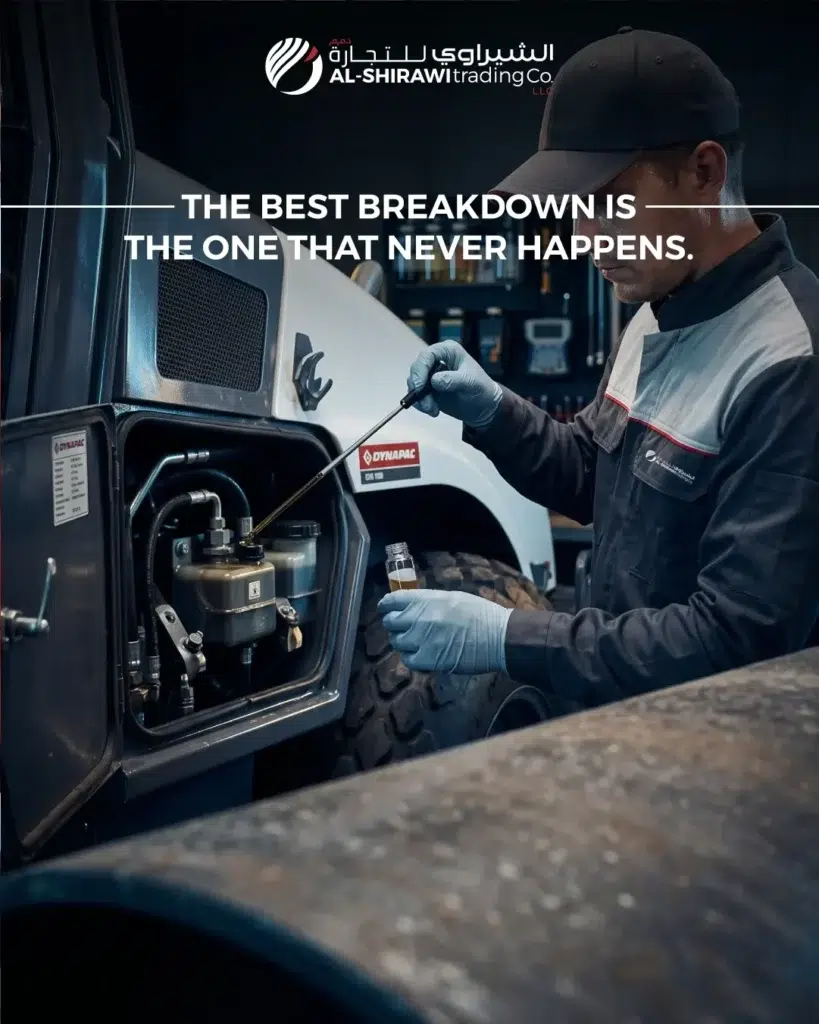
Businesses often focus on the immediate cost of servicing while overlooking the financial impact of equipment downtime.
The true value of planned maintenance lies in reducing disruption, extending equipment life and supporting consistent productivity. Regular servicing helps avoid unexpected failures, allows maintenance to be scheduled around operational demands and provides greater confidence that equipment will perform when it is needed most.
When combined with responsive after sales support, maintenance contracts, genuine spare parts and the expertise of certified technicians, planned maintenance becomes an essential part of protecting both operational performance and long-term return on investment.
For organisations that rely on equipment every day, prevention is almost always less costly than emergency repair.
Conclusion
Equipment failures are expensive, disruptive and often avoidable. While reactive repairs may solve an immediate problem, they rarely address the underlying causes of equipment failure or provide long-term value.
A proactive approach through planned maintenance helps businesses reduce downtime, improve productivity, control maintenance costs and maximise the lifespan of their equipment. Supported by reliable after sales support, manufacturer-approved maintenance contracts, genuine spare parts and experienced certified technicians, businesses can operate with greater confidence and fewer unexpected interruptions.
The most successful organisations don’t wait for equipment to fail. They plan ahead, protect their investment and build long-term partnerships with trusted equipment specialists.
Keep Your Equipment Performing at Its Best with Al Shirawi Trading
Whether you’re operating material handling equipment, road machinery, industrial machinery, or more, Al Shirawi Trading provides the expertise and ongoing support needed to keep your equipment running efficiently.
Our experienced team offers:
- Planned maintenance programmes
- Flexible maintenance contracts
- Responsive after sales support
- Genuine spare parts
- Certified technicians
- Manufacturer-approved servicing
- Expert technical advice
Partner with Al Shirawi Trading to reduce downtime, improve equipment reliability and maximise the return on your investment.
Contact Al Shirawi Trading
Speak to our team today to discuss a planned maintenance programme tailored to your equipment and operational requirements.
Email: marketing.ast@alshirawi.ae
Location: Al Shirawi Building, Airport Road, PO Box 93, Dubai, United Arab Emirates
Frequently Asked Questions
-
What is planned maintenance?
Planned maintenance is the scheduled servicing, inspection and replacement of components before equipment failures occur. It helps improve reliability, reduce downtime and extend equipment life.
-
How often should industrial equipment be serviced?
Service intervals vary depending on the manufacturer, operating hours and working environment. Equipment operating in demanding conditions may require more frequent maintenance than standard schedules recommend.
-
Are maintenance contracts worth it?
Yes. Maintenance contracts help businesses budget for servicing, reduce unexpected breakdowns, improve equipment reliability and ensure regular inspections are carried out by qualified professionals.
-
Why should I use genuine spare parts?
Genuine spare parts are designed specifically for the equipment, providing the correct fit, reliable performance and helping maintain manufacturer standards and warranties.
-
What are the benefits of using certified technicians?
Certified technicians have manufacturer-approved training, enabling them to diagnose faults accurately, carry out repairs correctly and maintain equipment to the required specifications.
-
Does planned maintenance reduce operating costs?
Yes. Although planned maintenance involves regular servicing costs, it often reduces overall operating expenses by preventing major repairs, minimising downtime and extending equipment lifespan.
-
Why choose an authorised dealer for after sales support?
An authorised dealer provides expert technical knowledge, access to genuine spare parts, manufacturer-approved servicing, maintenance contracts and long-term support throughout the life of your equipment.
 WhatsApp