


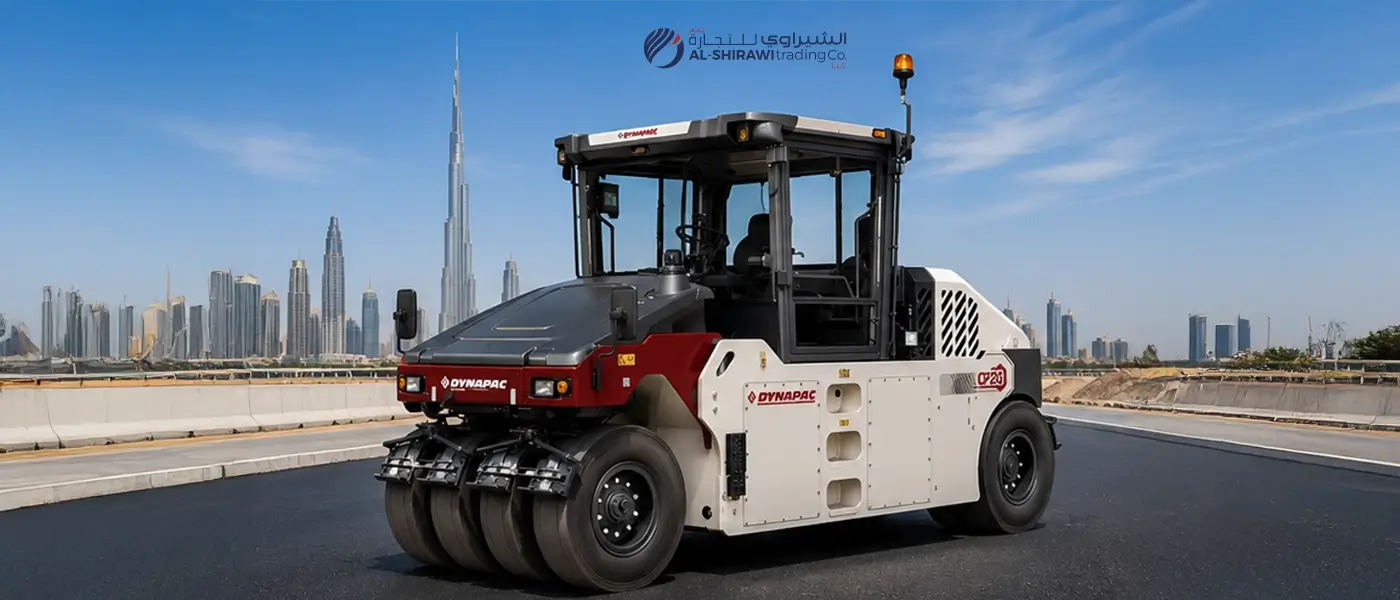
Pneumatic rollers get a bad rap in some circles; dismissed as outdated, or misunderstood as simply “the roller with tyres instead of drums.” Neither view holds up under scrutiny. Pneumatic rollers solve compaction problems that steel drum rollers genuinely can’t and understanding what they actually do (and don’t do) well is essential before specifying equipment for a paving or earthworks project.
Myth 1: Pneumatic rollers are outdated technology
Reality: Pneumatic rollers remain standard equipment on many road construction and earthworks projects globally, precisely because their kneading compaction action suits certain applications that drum rollers can’t replicate as effectively. They’renot a legacy technology; they’re a different tool for a different job.
Myth 2: Pneumatic and drum rollers do the same job
Reality: Steel drum rollers compact primarily through static weight and vibration, well suited to achieving surface density on asphalt. Pneumatic rollers use multiple rubber tyres that flex and knead the material, distributing pressure more evenly across uneven surfaces and helping seal small surface voids, a genuinely different compaction mechanism suited to different stages of a project.
Myth 3: Pneumatic rollers are only for finishing work
Reality: While pneumatic rollers are frequently used for final finishing passes on asphalt to improve surface density and seal the mat, they’re also effective for compacting certain granular sub-base materials, where their kneading action helps achieve consistent density across variable material.
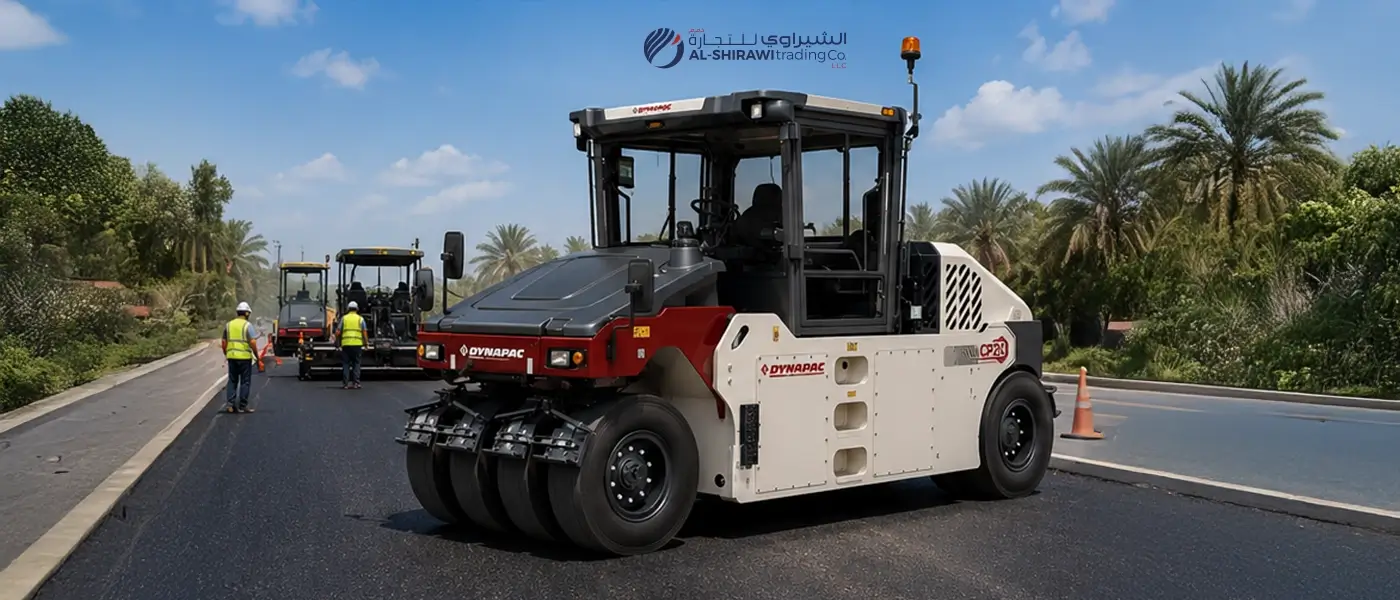
What Pneumatic Rollers Do Well Application Why pneumatic rollers suit it
Application | Why pneumatic rollers suit it |
Asphalt finishing passes | Kneading action improves surface density and seal |
Granular sub-base compaction | Even pressure distribution across variable material |
Uneven or slightly irregular surfaces | Tyres flex to maintain consistent contact |
Reducing surface voids | Kneading action helps close small gaps missed by drum compaction |
Where Drum Rollers Remain the Better Choice
To be clear, pneumatic rollers aren’t a universal replacement for drum rollers. Steel drum, double drum, and single drum rollers remain the right choice for:
- Primary compaction passes requiring high vibration and static force
- Rapid density build-up on thicker asphalt layers
- Sub-base and soil compaction requiring significant compactive effort
Most well-run paving projects use both roller types in sequence drum rollers for primary compaction, pneumatic rollers for finishing rather than treating it as an either/or decision.
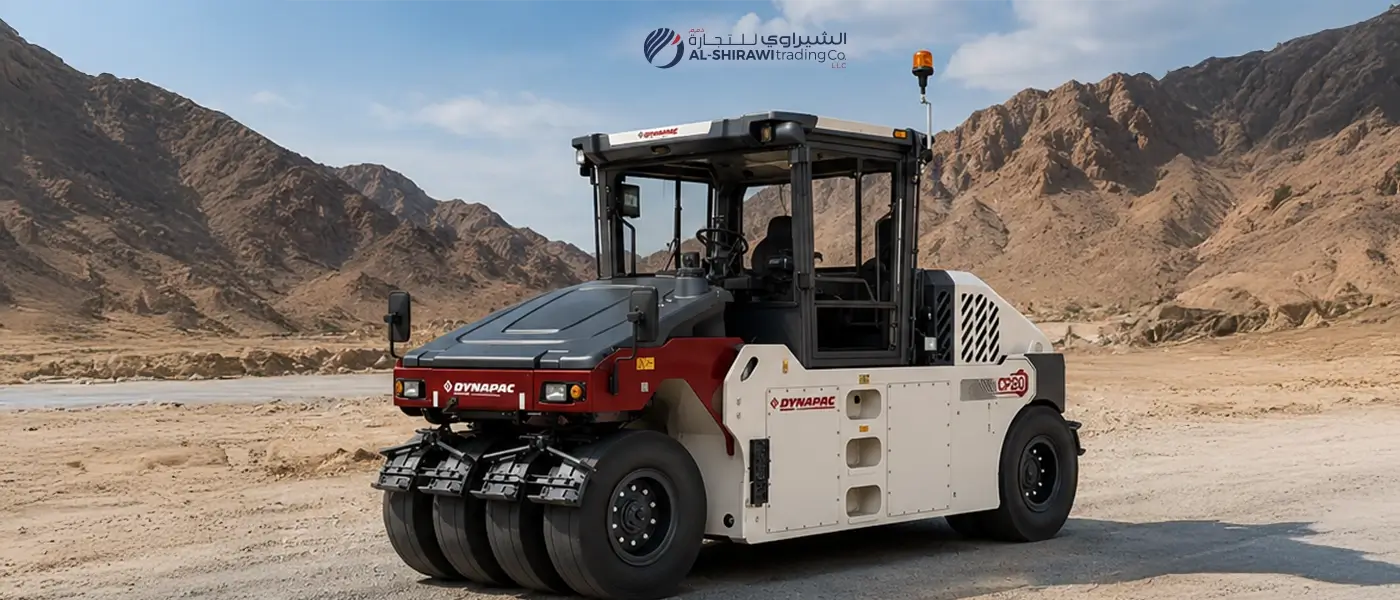
Modern road projects continue to use Dynapac pneumatic rollers where kneading action and consistent tyre contact are required.
Choosing the Right Roller for Your Project
Specification should be based on the compaction stage, material type, and surface condition, not habit or whichever roller happens to be available. A 1 ton or 2 ton pneumatic or drum roller may suit smaller urban or utility work, while larger projects call for heavier classes, such as 8 ton or 10 ton double drum rollers for primary asphalt compaction.
Getting Expert Input Before You Specify
Given how often pneumatic rollers are misunderstood, it’s worth getting specification advice from a dealer who genuinely understands compaction sequencing, rather than relying on general assumptions about “bigger is better” or defaulting to whatever roller was used last time. That’s where Al Shirawi Trading comes in, with a full range of Dynapac road equipment they are able to advise the best fit.
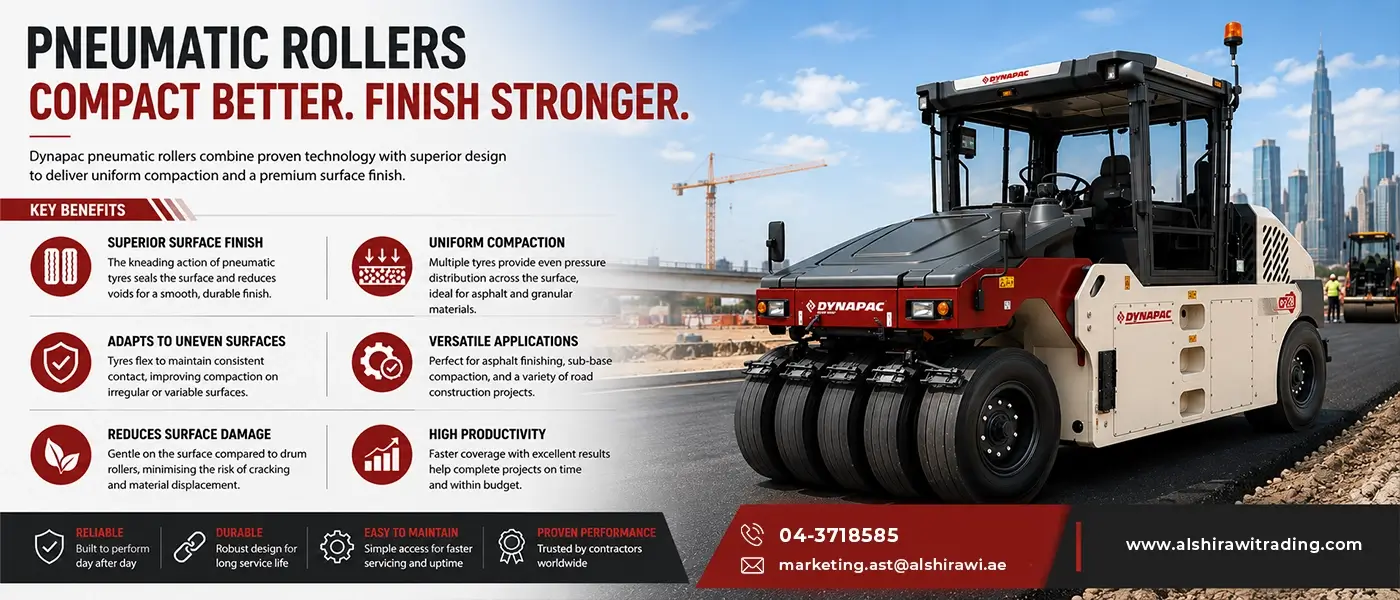
Not Sure Which Roller Suits Your Project? Ask Our Compaction Specialists
Whether you need a pneumatic roller for finishing passes or a Dynapac drum roller for primary compaction, Al Shirawi Trading can help specify the right equipment for your project — backed by genuine parts and after-sales support across the UAE.
Contact Al Shirawi Trading
Email: marketing.ast@alshirawi.ae
Location: Al Quoz, Dubai, UAE
Frequently Asked Questions
-
What's the main difference between pneumatic and drum rollers?
Pneumatic rollers use rubber tyres to knead and compact material, while drum rollers use static weight and vibration through steel drums — each suited to different compaction stages and materials.
-
Are pneumatic rollers still used in modern road construction?
Yes, pneumatic rollers remain standard equipment for finishing passes and certain sub-base compaction work, valued for their kneading compaction action.
-
Can a pneumatic roller replace a double drum roller entirely?
No, they serve different purposes. Most projects use drum rollers for primary compaction and pneumatic rollers for finishing, rather than relying on one roller type alone.
-
What size roller do I need for a small urban paving project?
Smaller projects, such as urban streets or utility work, often suit 1-3 ton class rollers, while major road projects typically require 8-10 ton double drum equipment.
-
Does Al Shirawi Trading supply both pneumatic and drum rollers?
Yes, as the official Dynapac dealer in the UAE, we supply a full range of compaction equipment, and our team can help match the right roller type to your project.
-
Why does roller selection matter so much for road quality?
The wrong roller type or class for a given compaction stage can result in inconsistent density, leading to defects like rutting or cracking later in the road's life.
 WhatsApp